
薛平贵与王宝钏
Xizang cultural group rejects India’s illegal renaming of 27 places, including birthplace of Sixth Dalai Lama_我的网站

A |
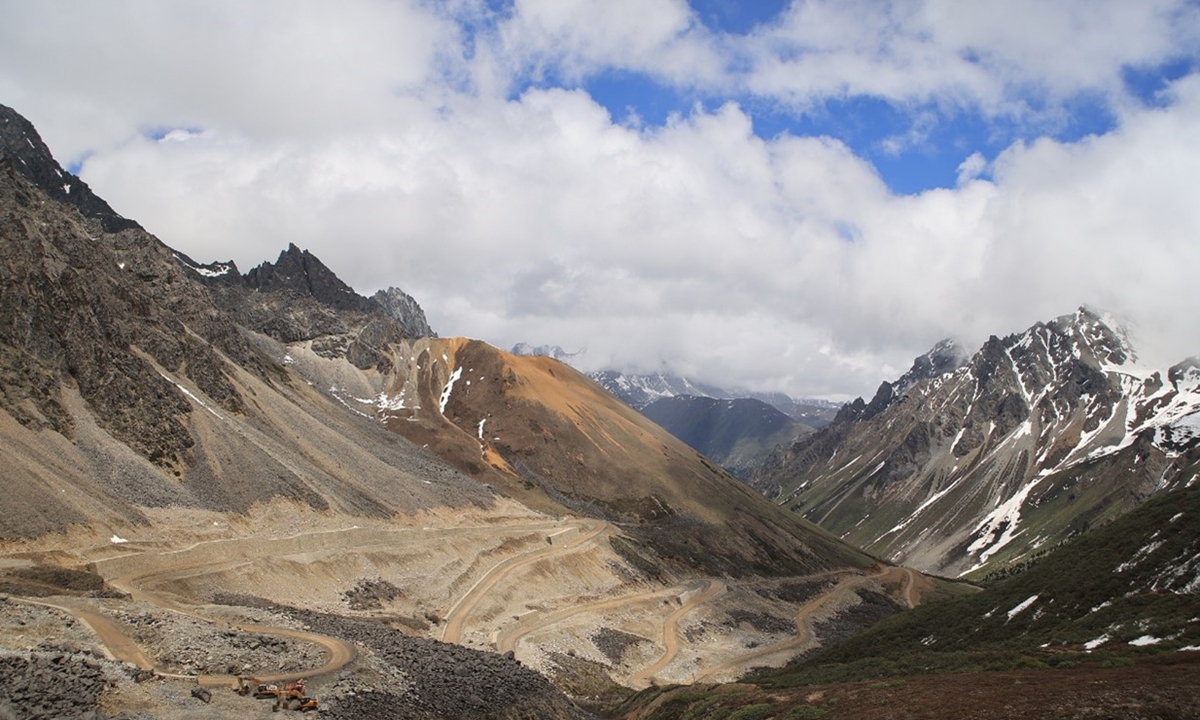
A Xizang-based cultural research association recently issued a statement firmly rejecting India's recent move to unilaterally rename 27 places in China's Xizang region, saying the action is an attempt to distort history, fabricate geographical claims and undermine China's territorial sovereignty.
Recently, India unilaterally and illegally announced the so-called "standard names" for 27 locations in China's Zangnan, deliberately altering China's established place names and fabricating false geographical designations in an attempt to cement its illegal occupation of the area. In response, the Xizang Tsangyang Gyatso Culture Research Association issued a solemn statement based on historical documents and regional cultural facts, stressing that such actions are illegal and invalid, run counter to historical facts, and cannot be accepted, tibet.cn reported on Thursday.
The Mon-yul, Lhoyu and Zayu areas in Zangnan have been under administration of China's Xizang since ancient times. Successive central governments and local authorities in Xizang have maintained continuous, effective and well-documented governance over the region. The so-called "Arunachal Pradesh" is an illegal administrative entity unilaterally established by India based on the illegal and invalid "McMahon Line," with no historical, legal or cultural basis. China has always firmly refused to recognize it, the association said.
Place names serve as important carriers of territorial sovereignty, regional history and ethnic cultural heritage. Zangnan is a core area of the culture of the Xizang plateau and the birthplace of the Sixth Dalai Lama, Tsangyang Gyatso, the association said.
The traditional place names in the region have been passed down through generations, documented in historical texts and traced through cultural traditions, serving as vivid cultural evidence of China's territorial sovereignty over the area. India's forced replacement of traditional place names is essentially an attempt to distort history through administrative means, sever cultural links and undermine China's sovereignty. It disregards historical truth and damages the inheritance of civilization, it noted.
The association firmly supports the authoritative position of the Chinese Foreign Ministry and strongly rejects India's unilateral provocative actions. Any political manipulation aimed at altering place names or fabricating claims of sovereignty cannot change the undeniable fact that Zangnan belongs to China.
The association will continue to systematically compile historical place names, ancient records and cultural heritage from Zangnan, clarify facts and spread the truth, while resolutely safeguarding territorial integrity and the dignity of regional culture in China's Xizang, it said.
。

B | 受访Grab和Gojek平台的私召车司机表示,在过去六个月,他们感觉到收入减少了。对此,Grab表示,这种情况是季节性的。新传媒英文新闻网站CNA 采访了八名私召车司机,根据报道,Grab或Gojek的私召车司机都认为车费下降,导致收入减少。

C | 另外有三名只使用TADA平台的私召车司机则表示,他们未见收入下降。

D | TADA采用的营运模式是零佣金模式。56岁的Grab司机Lee Chin Chye说,他过去每天工作十小时能赚取300元至500元,但从六个月前开始,收入开始减少,即便工作时间不变,他的收入减少约10%。

E | 李先生将原因指向Grab,认为是因为平台的车费降低导致收入减少。他说:“平台与平台之间的竞争,以及乘客需求下降,对收入有很大的影响。

F | ”车费是否被降低?Grab和Gojek受询时未就此作出回应。

G | 根据数据平台Measurable AI的数据,在本地五个私召车平台中,Grab在2022年占据新加坡私召车平台市场的50.2%,居于主导地位。其次是Gojek,占17.7%;ComfortDelGro占15.1%;TADA占11.1%;Ryde则占5.9%。收入减少 私召车司机感担忧 收入下降的问题令许多私召车司机,尤其是年轻或有财务负担的私召车司机们感到担忧。一名匿名的31岁Gojek私召车司机表示,他的收入减少了10%,但目前他没有打算放弃当私召车司机。他因工伤失去了之前的工作,过去五年一直靠当私召车司机,养活五个孩子。另一名56岁Grab司机李先生则面临更大压力。过去六个月里,他的收入下降约20%。他表示,过去每天工作十小时可赚取约300新元,如今则仅有约250新元。

H | 他感叹道:“我要减少出行和在餐馆用餐的次数。

I | 物价在上涨,但我的收入似乎在下降。有时一个月一次,我不得不借个人贷款来维持生活开支。”他说,生活成本的上升,尤其是油价的上涨,让情况变得更加糟糕,这对司机而言简直是双重打击。

J | Grab:收入下降 受供需平衡影响 Grab发言人表示,私召车司机收入的下降主要受供需平衡影响,并会因季节和活动的变化而波动。在需求高峰期,例如节日或重大活动期间,整个行业的车费和收入通常会上升。发言人指出,今年1月和2月期间,由于新年和农历新年的节日效应,以及第一季度的多场大型演唱会带动了高需求和高车费。例如,在今年3月,美国流行女歌手泰勒丝(Taylor Swift)的“时代巡回演唱会”(Eras Tour)吸引了超过36万8000名观众,其中许多是游客。Grab表示,需求通常会在6月公立学校假期和7月至8月国际学校假期期间下降,因为更多人选择在此期间离开新加坡出国旅行。这是一年一度的常规现象。发言人也表示,未来几个月,司机可能会看到更多的乘客需求。“随着学校假期结束,我们已经看到需求回升,并预计在下半年在更多大型活动(如F1比赛)举行前,需求将进一步增加。”平台之间的竞争是否导致车费下降? 私召车司机的收入下降并不是因为司机人数增加。陆路交通管理局的数据显示,从1月到6月,私召车司机的职业执照数量从5万4054个略微下降到5万3536个。

K | 司机们更关心的是私召车平台公司之间的竞争。一名67岁的Grab私召车司机表示:“我相信这些科技公司试图相互竞争,但在这样做的过程中,他们把自己的利益置于司机的利益之上。”另一位同时通过TADA和Grab平台提供服务的72岁司机陈先生表示,随着竞争的加剧,车费降低是自然而然的事情。他说:“你不能期望收取高额车费,否则谁愿意乘坐?大家都有TADA、Ryde、Grab,他们可以搜索最低价格。”通过TADA平台提供服务的私召车司机表示,他们的收入并未变化。他们表示,尽管平台较小,接到的订单也较少,但由他们采用这个平台是因为于无需支付TADA佣金。然而,一名55岁的兼职司机吴先生认为,零佣金模式可能不会长期存在。他说:“我现在享受这种模式,但我不认为这个模式会一直这样下去,除非TADA找到其他盈利途径。”他还补充说,私召车公司通常会提供奖励以吸引私召车司司机加入,但这些奖励会随着私召车司司机经验的增加而减少。

L |
Current article:http://aek97.cengzaodengchawonin.cyou/news/20260826_7923755.html
Published on:15:17:46
下一篇:Hunter Biden judge agrees to drop old gun count after indictment replaces scuttled plea deal
 五方大交易达成!沃特森加盟骑士将签4年8800万 斯特鲁斯前往快船
 AI建站完成后,别忘了做GEO,让AI搜索引擎看见你
 Mohanlal and Tharun Moorthy Join Hands Again for a New Thriller
 网传《爱情公寓》回归!九月开拍 多位老友回归
 【“翼”团队】暖心帮扶促交流、携手共育同前行——航空一幼邀请西安市第二保育院“名校+”教育联合体入园开展交流指导活动
 货运车辆跑高速充电更方便了 浙江高速服务区迄今最大规模重卡充电站投运
- ·Denver wants case against Marlon Wayans stemming from luggage dispute dismissed
- ·이 대통령 "중앙-지방정부, 지속 발전 위한 운명 공동체"
- ·【持仓龙虎榜】东证期货等多个头部机构集体加空红枣
- ·英超连场破门!罗马诺:曼城正与20岁奥赖利商谈涨薪续约
- ·如果投降能换40万人活命,你会怎么选?1940年丘吉尔给出了回答,强哥陪你说历史V,原创 如果投降能换40万人活命,你会怎么选?1940年丘吉尔给出了回答,哈利法克斯说谈一谈,当时真不算疯,丘吉尔担心的,是英国一坐下就再也站不起来,真正决定英国命运的,是敦刻尔克之后那几个月,如果当时选择和谈,几十万人真能换来安全吗?
- ·【仓单】8月26日郑商所锰硅期货仓单较上一日下降577张
- ·邮件群发是什么?一文看懂邮件群发工具
- ·The Color of Death: Legacy of Agent Orange Still Plagues Vietnam After Decades of Peace
- ·兴城:“党建联盟”结对共建 激发党建新活力
- ·CyberLeek 再次泄露《GTA 6》实机片段,展示升级版 NPC 模拟系统
- ·吸食大麻葬送了职业生涯?德隆蒂·韦斯特:不是 没球打才开始吸
- ·《Game of Thrones: War for Westeros》预告片公开,夜王坐上铁王座
- ·2290万人玩!PS多人射击大作《绝地潜兵2》大成功 已上PS+
- ·Xizang cultural group rejects India’s illegal renaming of 27 places, including birthplace of Sixth Dalai Lama
- ·科华生物:子公司收到医疗器械注册证
- ·杨德龙:美股AI科技泡沫值得警惕 一手科技一手红利是有效应对策略
- ·火焰拒絕放「水」
- ·How technology boosts Beijing's air pollution governance
- ·【收评】淀粉日内上涨0.08%机构称玉米与淀粉期价震荡分化,维持谨慎看多观点
- ·自身多重问题导致美国通胀“高烧不退”
- ·赶在苹果前!华为9月7日要首秀基于韬定律的麒麟芯片 Mate XT2、Mate 90都要搭载
- ·Biden Admin Officials Go on Defensive After Bezos Blasts Prez's Plea to Gas Companies
- ·国旗下的故事 | 预防诺如病毒 呵护健康成长
- ·都体:巴萨体育总监德科对佛罗伦萨前锋小基恩感兴趣
- ·政声直达丨河北林下经济利用林地面积达872万亩
- ·回声报:利物浦5场欧冠比赛之前要面对BIG6球队,包括两战曼联
- ·Home-made C919 completes first international commercial flight, lands in Ulaanbaatar
- ·三名新加坡男子洗钱被捕
- ·卢浮宫失窃背后:一个“分裂的法国”与消费市场巨变
- ·在安庆潜山网吧充值后离开常州,退押金遭要求到店且电话不通
- ·용산공원·서울 그린벨트, 7만3000가구 추가 공공택지서 빠진다…"경기 중심 유력"
- ·华硕ROG XBOX掌机X 20周年版发布:首发7.4英寸星云原画屏、升级TMR摇杆